CP4 Injection Pump Failures: Symptoms, Causes, Repair Costs, Prevention
01/14/2026
6.6 Duramax LB7 Injector Replacement: Costs, Process & What to Expect
02/22/2026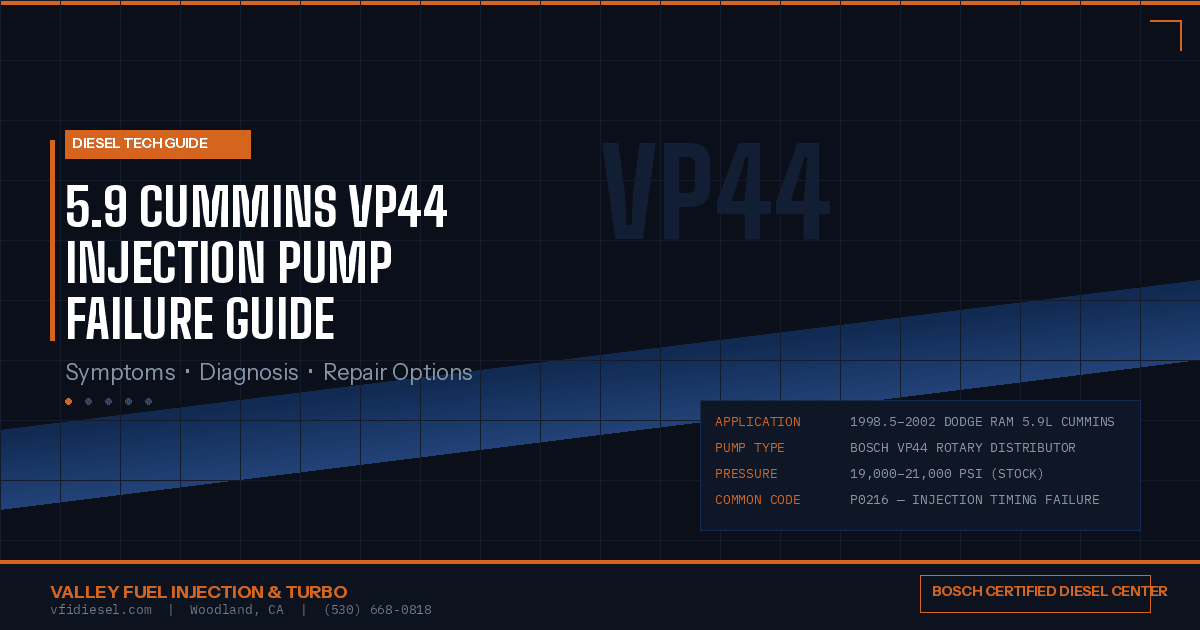
What is a VP44? The Bosch VP44 is the electronically controlled rotary injection pump on 1998.5–2002 Dodge Ram 2500 and 3500 trucks with the 5.9L 24-valve Cummins; a control module on top of the pump (the PSG5) sets injection timing and fuel quantity. It is cooled and lubricated by the diesel it pumps, which is why a weak lift pump kills more VP44s than anything else.
Few diesel components cause as much frustration, or as many roadside breakdowns, as a failing Bosch VP44 injection pump. If you own a 1998.5–2002 Dodge Ram 2500 or 3500 with the 5.9L Cummins 24-valve ISB engine, the VP44 is the heart of your fuel system. When it starts to go, the symptoms can range from subtle hesitation to a complete no-start.
At Valley Fuel Injection & Turbo, we’ve rebuilt and tested thousands of VP44 pumps over the years. We’re a Bosch-certified diesel center, and the VP44 is one of our core specialties. This guide breaks down exactly what goes wrong, how to diagnose the problem, and what your repair options are, so you can make an informed decision before you spend a dollar.
Need a replacement? See our rebuilt VP44 injection pumps: Bosch Authorized Remanufactured, rebuilt and bench-tested by Valley Fuel Injection & Turbo. Not sure the pump is the problem? Work through the symptoms and checks below before you buy one.
What Is the VP44 Injection Pump?
The Bosch VP44 (Verteiler-Pumpe, or distributor pump) is an electronically controlled rotary injection pump. Unlike the older mechanical P7100 “P-pump” used in 12-valve Cummins engines, the VP44 uses an internal electronic control module, called the PSG5, to manage fuel timing and delivery.
Key specs:- Applications: 1998.5–2002 Dodge Ram 2500/3500 with 5.9L ISB 24-valve Cummins (manual and automatic)
- Injection pressure: ~19,000–21,000 PSI (stock calibration)
- Control: PSG5 electronic solenoid module (mounted on the pump)
- Fuel supply: Requires consistent 14–17 PSI from the lift pump at the inlet
The VP44 was a significant technology step forward from the purely mechanical P7100, offering better emissions compliance and smoother drivability. But that added electronic complexity also introduced new failure modes, ones that the 12-valve crowd never had to worry about.
For a detailed comparison of how the VP44 system differs from the common rail systems used in later Cummins trucks, see our guide on VP44 vs. Common Rail Injection Systems.
Warning Signs: How to Tell Your VP44 Is Failing
VP44 failures rarely happen without warning. Most pumps give you weeks or months of increasingly obvious symptoms before they quit entirely. Recognizing these signs early can save you from a breakdown, and potentially from additional damage to injectors and fuel lines.
Intermittent No-Start or Hard Starting
This is often the first symptom. You turn the key and the engine cranks but won’t fire, then five minutes later it starts fine. This intermittent behavior is a hallmark of the PSG5 electronics beginning to fail, particularly when the pump is heat-soaked. Many owners notice this happens more in hot weather or after a highway drive when the underhood temperatures are elevated.
Engine Dies While Driving
A VP44 in the later stages of failure can shut the engine down without warning, especially at highway speed. The engine simply cuts out as though you turned the key off. If it restarts after sitting for 10–20 minutes, the pump’s internal electronics are almost certainly overheating and shutting down.
P0216: Injection Timing Failure
The P0216 diagnostic trouble code is the most well-known VP44 failure code. It indicates that the pump’s internal timing is out of specification. A P0216 code stored in the ECM is a strong indicator that the VP44 needs attention. Other related codes include:
- P1688: Internal fuel injection pump failure
- P0251: Injection pump fuel metering control malfunction
- P0370: Timing reference, high resolution signal
Surging or Erratic Idle
A pump that can no longer maintain consistent internal pressure will cause the engine to surge: RPMs bouncing up and down at idle, sometimes rhythmically. This is different from the normal slight lope of a diesel; VP44 surging is pronounced and irregular.
Loss of Power Under Load
As internal components wear, the pump can’t maintain pressure at higher RPM and load. You’ll notice it most pulling hills, towing, or accelerating from a stop. The engine feels flat or sluggish compared to normal.
Long Crank Times
The engine takes noticeably longer to start than it used to, three, four, five seconds of cranking before it fires. This can indicate internal bypass (fuel leaking past worn components inside the pump) or weakening of the pump’s ability to build pressure.
Why VP44 Pumps Fail
Understanding the root causes helps you prevent premature failure on a replacement pump. The VP44 doesn’t typically fail on its own, it’s usually killed by one or more upstream problems.
Low Lift Pump Pressure (The #1 Killer)
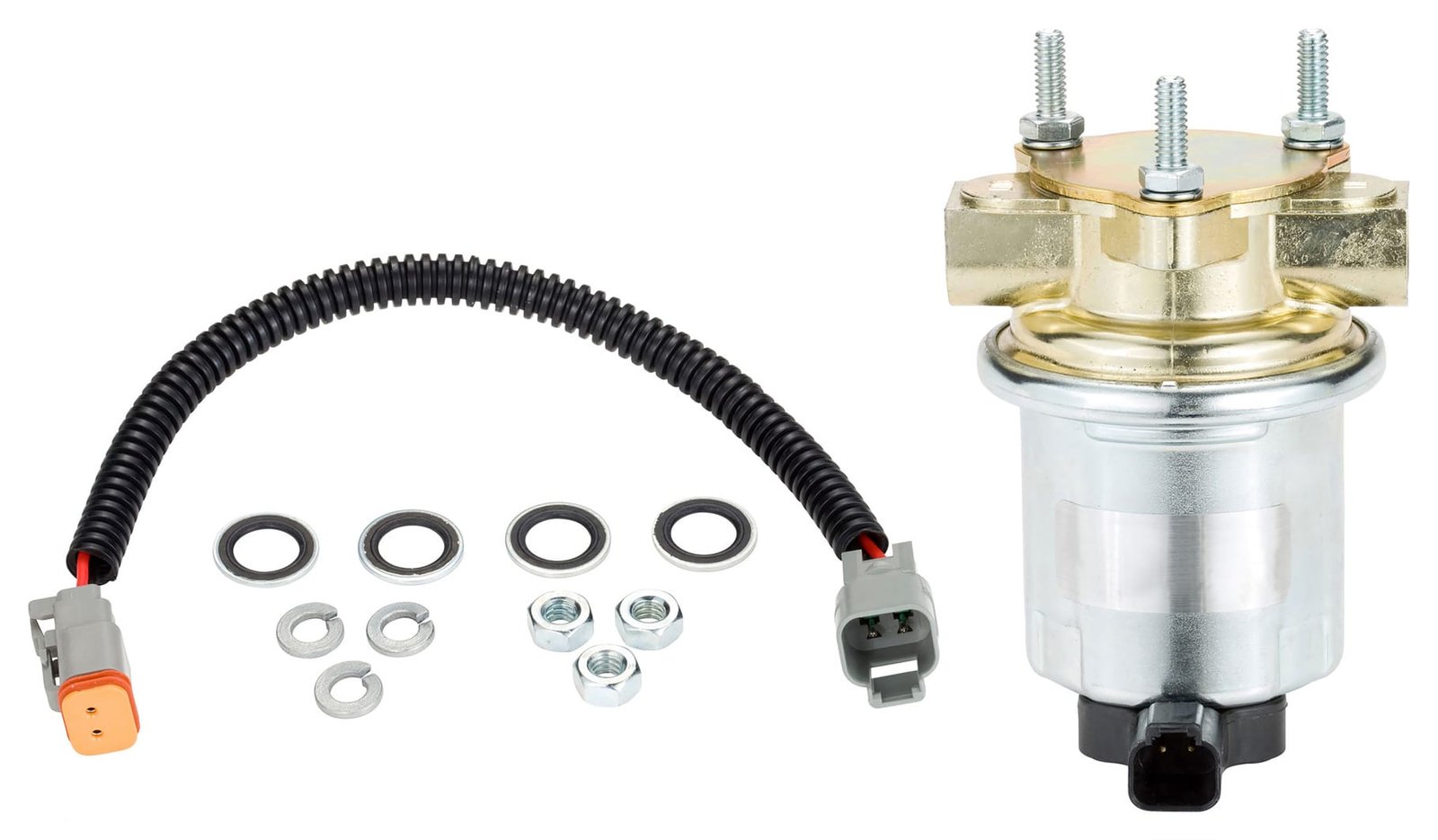
This is the single most common cause of VP44 failure, and it’s entirely preventable. The VP44 requires a minimum of 14 PSI at its inlet to function properly. The factory lift pump on 98.5–02 Rams is a small, underpowered unit mounted on the engine block that degrades over time. When it weakens:
- The VP44 runs hot because fuel (which also acts as coolant and lubricant for the pump’s internals) isn’t flowing in sufficient volume.
- Internal components wear faster due to inadequate lubrication.
- Air can enter the system, causing cavitation damage.
If you’re replacing a VP44, upgrading the lift pump at the same time is not optional, it’s essential. Aftermarket lift pumps from FASS or AirDog that deliver 17+ PSI at high volume are the standard recommendation.

Fuel Contamination
Water, dirt, and microbial growth in diesel fuel are destructive to the VP44’s tight internal tolerances. The VP44 has no internal filtration, it relies entirely on the truck’s fuel filter to keep contaminants out. A clogged, bypassed, or poor-quality fuel filter can send debris directly into the pump.
For more on how contamination affects diesel fuel systems, see our Diesel Fuel Injection Services page.
PSG5 Electronics Failure
The PSG5 module mounted on top of the pump is the “brain” that controls timing and fuel metering. It operates in a brutal environment, high heat, vibration, and fuel vapor. Over time, internal solder joints crack, capacitors degrade, and the module begins to malfunction. Heat is the primary accelerator, which is why symptoms often appear first in summer or after towing.
Age and Mileage
Even with perfect maintenance, VP44 internals wear. The internal cam ring, rollers, plungers, and timing piston all operate under extreme pressure. Pumps with 200,000+ miles are operating on borrowed time regardless of how well they’ve been maintained.
How to Diagnose a VP44 Problem
Before you commit to a pump replacement, confirm the VP44 is actually the issue. Several other problems can mimic VP44 failure symptoms.
Step 1: Check Lift Pump Pressure
Install a fuel pressure gauge at the VP44 inlet (Schrader valve on the fuel filter housing). Key on, engine off, you should see 14–17 PSI. Start the engine and check pressure at idle and under load. If pressure drops below 10 PSI at any point, your lift pump is the problem (or at minimum, a contributing factor). Fix the lift pump first before condemning the VP44.
Step 2: Read Diagnostic Codes
Use a scan tool capable of reading Cummins ECM codes. A basic OBD-II scanner will catch P0216, but a more advanced tool (like a Snap-on or INLINE adapter) will give you additional pump-specific data including actual vs. desired injection timing, fuel temperature, and pump-specific fault codes.
Step 3: Check for Timing Drift
With a capable scan tool, monitor actual injection timing vs. commanded timing at idle and under light load. A healthy VP44 should track within 1–2 degrees of commanded timing. Significant deviation indicates internal wear.
Step 4: Rule Out Other Causes
Before replacing the pump, verify:
- Crank position sensor (CPS): A failing CPS can cause no-start and stalling symptoms identical to VP44 failure. Test or replace this $30 part before spending $1,000+ on a pump.
- Wiring and connectors: The VP44 connector and ECM wiring harness can corrode or chafe, causing intermittent issues.
- Fuel filter condition: A restricted filter can mimic low lift pump pressure.
- Injectors: Worn injectors can cause some of the same drivability symptoms. Consider having your injectors tested if the pump checks out.
VP44 Repair Options: Rebuild, Reman, or New?
Once you’ve confirmed the VP44 is the problem, you have three main paths.
Option 1: Remanufactured VP44 (Most Popular)
A remanufactured VP44 is completely disassembled, inspected, and rebuilt with new or reconditioned components to meet original Bosch specifications. This is the most common and cost-effective choice for most truck owners.
At Valley Fuel Injection, our remanufactured VP44 pumps are:
- Rebuilt with updated Bosch internal components
- Calibrated on our Bosch-authorized test equipment to factory specifications
- Available in standard output (215hp auto, 235hp manual) and high output (245hp 6-speed) configurations
- Backed by a 12-month, unlimited-mileage warranty on parts and labor (30 days on electrical and electronic components)
Price and core: see current prices, fitment and the refundable core charge for each pump on our VP44 pump listings.
Option 2: Send Your Pump for Rebuild
If you have a pump with known history and want to keep your original unit, you can ship it to us for diagnosis and rebuild. We tear it down, inspect it against factory wear limits and give you a firm quote before any work starts. Because we rebuild your own pump, there is no core charge. Turnaround depends on our bench schedule and parts for your pump, so call first for a realistic estimate before you ship.
Packing, shipping and what happens once it arrives are covered on our mail-in injection pump rebuild service page.
Option 3: New Bosch VP44
New Bosch VP44 pumps are available but significantly more expensive than remanufactured units. For most applications, a properly remanufactured pump performs identically to new and comes with a comparable warranty. We generally recommend reman unless you have a specific reason to go new.

Talk to a Diesel Tech Not sure it’s the VP44? Call before you buy a pump Give us the codes, the symptoms and your lift pump pressure. We’ll help you rule out the cheap stuff first, then match the right VP44 to your truck. Two ways in: drive it into our Woodland shop near Sacramento, or ship it to us from anywhere in the country. ☎︎ Call 530-668-0818Out of the area? Start a mail-in rebuild → |
VP44 Replacement Tips: What to Do (and Not Do) During Installation
Replacing the VP44 isn’t technically difficult, but there are critical steps that get skipped and lead to premature failure of the new pump.
Do:- Replace or upgrade the lift pump at the same time. This is non-negotiable. A new VP44 with a weak lift pump will fail again.
- Install a new fuel filter before installing the new pump.
- Prime the new pump before cranking. Fill the inlet fitting with clean diesel fuel and turn the engine over WITHOUT starting it to circulate fuel through the pump before the first fire.
- Bleed all air from the system thoroughly.
- Check and clean all wiring connectors to the pump.
- Dry-crank the engine repeatedly trying to start it with a new pump. This can damage a pump that hasn’t been fully primed.
- Reuse old fuel lines or fittings that show any signs of wear.
- Skip the lift pump upgrade. (Yes, this is listed twice because it’s that important.)
- Ignore fuel quality. If the tank has been sitting with old fuel, drain and clean it.
Preventing VP44 Failure on Your Replacement Pump
You’ve invested in a new or remanufactured VP44, now protect it:
- Maintain lift pump pressure. Check it annually. Replace the lift pump at the first sign of pressure drop.
- Change fuel filters on schedule. Every 15,000 miles or sooner if you buy fuel from questionable sources. Use quality Fleetguard or Donaldson filters.
- Use a fuel additive with lubricity improver. ULSD (Ultra Low Sulfur Diesel) has significantly less natural lubricity than older diesel formulations. A quality additive like Stanadyne Performance Formula or Opti-Lube XPD helps protect the pump’s internals.
- Address air leaks immediately. Any air entering the fuel system accelerates VP44 wear. Check fittings, return lines, and the fuel filter housing seal regularly.
- Don’t ignore warning signs. If you notice any of the symptoms described above, diagnose it early. A VP44 caught in early failure can sometimes be rebuilt for less than a full replacement.
Out of state? We rebuild and ship VP44 pumps nationwide. Utah, Idaho and Wyoming customers can read how mail-in service works on our Utah VP44 and diesel injection page.
Frequently Asked Questions
How much does it cost to replace a VP44 injection pump?
A remanufactured VP44 pump typically costs $1,800–$2,800 depending on the output configuration (standard vs. high output). Professional installation labor runs $700–$1,400 depending on your shop. With a lift pump upgrade, total cost is generally $3,500–$5,500 installed. At Valley Fuel Injection, we offer both remanufactured VP44 pumps for purchase and complete in-house installation service.
What is the P0216 code on a Cummins 5.9?
P0216 is an injection timing failure code specific to the VP44 pump system on 1998.5–2002 Dodge Ram Cummins 5.9L trucks. It means the ECM has detected that the VP44’s internal timing is out of the acceptable range. This is the most common diagnostic code associated with VP44 failure. However, it can occasionally be triggered by a failing crank position sensor or wiring issue, so proper diagnosis is important before replacing the pump.
Can a VP44 be rebuilt, or does it need to be replaced?
Yes, VP44 pumps can be rebuilt. A proper remanufacture involves complete disassembly, inspection, replacement of worn components (rollers, plungers, seals, PSG5 module if needed), and recalibration on Bosch-authorized test equipment. A quality remanufactured VP44 should perform identically to a new unit. At VFI, we both sell remanufactured VP44s and offer rebuild service for customer-supplied pumps.
How long does a VP44 pump last?
With proper lift pump pressure, clean fuel, and regular filter changes, a VP44 can last 200,000–300,000+ miles. Most premature failures are caused by low lift pump pressure, fuel contamination, or both. The single best thing you can do to extend VP44 life is maintain your lift pump and filtration system.
What’s the difference between a 15X and 17X VP44?
The “15X” designation refers to standard-output VP44 pumps used in automatic transmission trucks and lower-output manual applications. The “17X” (or high-output) designation refers to pumps calibrated for the higher-output 245hp rating found in 2000–2002 trucks with the NV5600 6-speed manual transmission. Installing the wrong calibration won’t damage anything, but it will affect power output and drivability. Make sure you order the correct pump for your application. Check our VP44 product listings for specific fitment details.
Need VP44 Help? We’re Here.
Whether you need a remanufactured VP44 pump shipped to your door, want to send your pump in for professional diagnosis and rebuild, or need our technicians to handle the complete job in our Woodland, CA shop: Valley Fuel Injection has you covered.
We’re a Bosch-authorized diesel center with factory-certified technicians and the test equipment to do the job right. We ship nationwide and back every pump we rebuild with a 12-month, unlimited-mileage warranty on parts and labor, plus 30 days on electrical and electronic components.
Call us: (530) 668-0818 Email: info@vfidiesel.com Visit: 1243 E Beamer St, Suite C, Woodland, CA 95776 Shop VP44 Pumps: vfidiesel.com/product-category/diesel-injection-pumps/vp44/Valley Fuel Injection & Turbo, Inc. is an authorized dealer for Bosch, Kubota, Delphi, Yanmar, and Alliant Power. Located in Woodland, CA, we serve diesel owners and fleets throughout Northern California and nationwide via our mail-in repair and parts shipping services.