Common Rail vs VP44: Which Diesel Injection System Is Better?
09/24/2025
Why Your Diesel Engine Cranks But Won’t Start: 7 Common Causes (And How to Fix Them Fast)
11/12/2025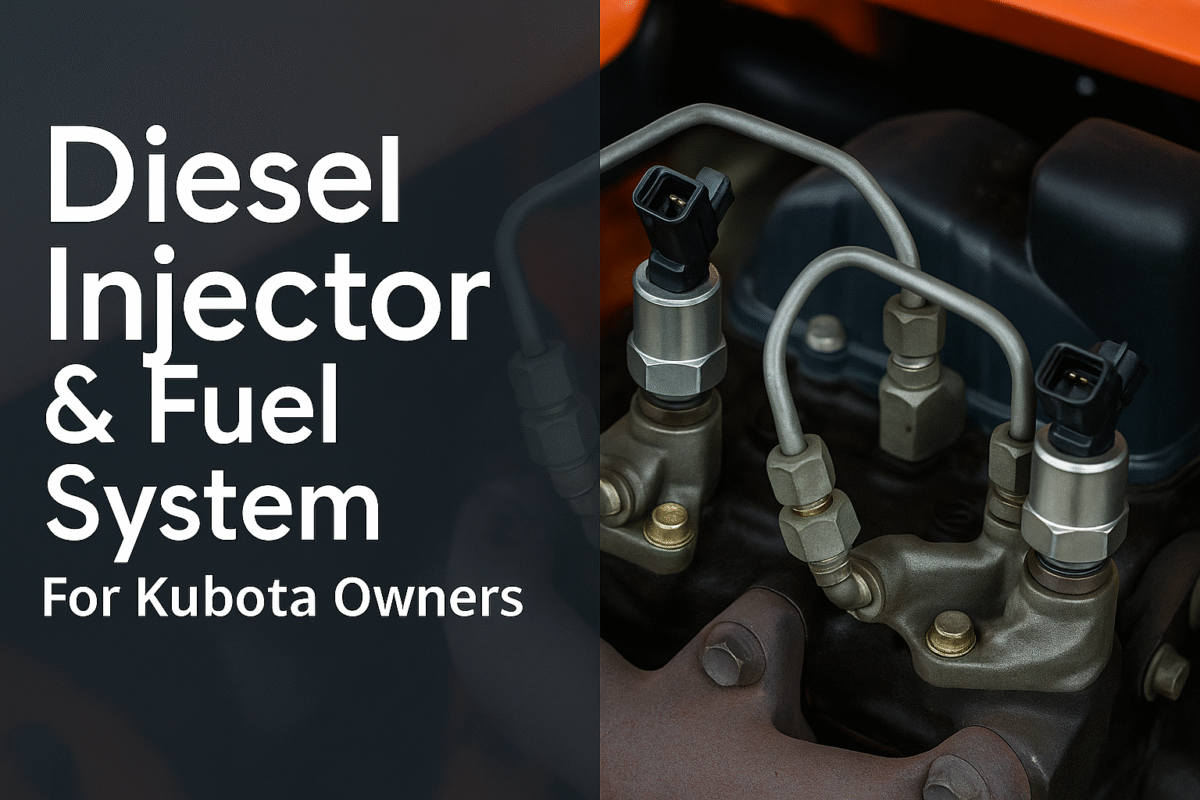
Published by Valley Fuel Injection & Turbo, Inc. | Woodland, CA
Authorized Kubota Engine Dealer & Bosch-Certified Diesel Specialists
Kubota diesel engines are built tough, they power everything from compact tractors and skid steers to generators, irrigation pumps, and industrial machinery across California’s Central Valley and beyond. But even Kubota’s legendary reliability depends on one critical system: the fuel injectors.
When Kubota injectors are clean and properly calibrated, your engine starts easily, runs smoothly, makes full power, and burns fuel efficiently. When they’re neglected, you get hard starts, rough running, black smoke, power loss, and eventually engine damage that costs far more than the maintenance would have.
As an authorized Kubota engine dealer and Bosch-certified diesel specialists, Valley Fuel Injection & Turbo services Kubota injection systems daily, from the small D902 and D1105 engines in compact equipment to the V2403 and V3307 engines in larger tractors and construction machinery. These 7 maintenance tips come directly from what we see in our shop and what prevents the most expensive repairs.
Why Kubota Injector Maintenance Matters More Than You Think
Kubota engines, especially the Tier 4 Final models that dominate current production, use precision fuel injection systems with extremely tight tolerances. The common rail injectors on newer Kubota engines operate at pressures exceeding 35,000 PSI (updated for 2026 models), with nozzle holes smaller than a human hair.
At these tolerances, even small amounts of contamination, water, or carbon buildup degrade performance quickly. And because many Kubota-powered machines are used seasonally or intermittently, sitting idle between jobs, they’re especially vulnerable to fuel degradation problems that continuously operated engines never experience.
The good news: most Kubota injector problems are preventable with consistent, basic maintenance. Here are the 7 things that make the biggest difference.
1. Change Fuel Filters on Schedule, and Inspect What Comes Out
The fuel filter is your injectors’ first line of defense. Every particle of dirt, every drop of water, and every bit of rust that the filter catches is something that didn’t reach your injectors.
Kubota Filter Change Intervals (2026 Guidelines):
- Primary fuel filter: Every 250-300 hours or annually
- Secondary/final filter: Every 500 hours or annually
- Water separator (if equipped): Check weekly, drain as needed
- Severe conditions: Change filters sooner (dust, questionable fuel, long idle hours)
Pay special attention to the water separator if your Kubota is equipped with one. Even small amounts of water cause immediate injector damage in high-pressure common rail systems. If you’re seeing water regularly, investigate the source, it could be condensation in the fuel tank, contaminated fuel delivery, or a compromised fuel system.
Need Professional Kubota Service?
Our Bosch-certified technicians provide complete Kubota fuel system service and diagnostics. We stock genuine Kubota filters and can identify fuel quality issues before they damage your injectors. Schedule your service today or call (530) 668-0818.
2. Use Quality Diesel Fuel and Additives
Not all diesel fuel is created equal, and Kubota’s precision injection systems are particularly sensitive to fuel quality variations. The fuel you put in today directly affects injector performance for thousands of hours to come.
What to Look For in Diesel Fuel (2026 Standards):
- Ultra-low sulfur diesel (ULSD): Required for all Tier 4 Kubota engines
- High-quality fuel suppliers: Major brands typically have better additives and quality control
- Fresh fuel: Avoid fuel that’s been stored more than 6 months
- Proper storage: Clean tanks, water separation, biocide treatment when needed
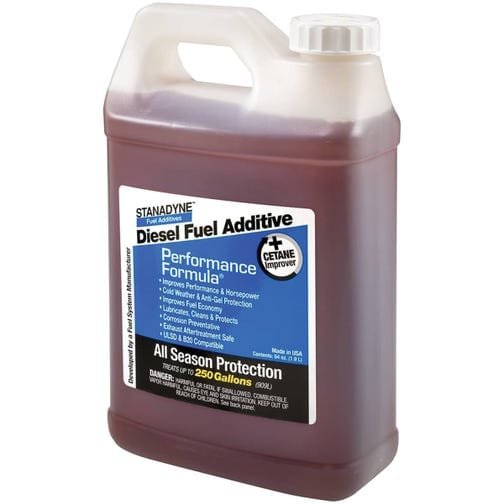
Recommended Fuel Additives for Kubota Engines:
- Biocide treatments: Essential for equipment stored outdoors or in humid conditions
- Fuel stabilizers: Critical for seasonal equipment (tractors, mowers, generators)
- Injector cleaners: Use every 3-4 months or 100-150 hours
- Anti-gel additives: Required for winter operation in Northern California and Nevada

3. Maintain Proper Fuel System Pressure
Kubota’s common rail injection systems depend on precise fuel pressure throughout the operating range. Too little pressure causes poor atomization and incomplete combustion. Too much pressure can damage injector seals and cause over-fueling.
Signs of Fuel Pressure Problems:
- Hard starting, especially when cold
- Rough idle or unstable RPM
- Black or white smoke under load
- Reduced power output
- Excessive fuel consumption
The fuel system pressure is controlled by the high-pressure fuel pump, pressure regulator, and ECM. Problems in any of these components affect injector performance immediately. Regular pressure testing, typically every 500-1000 hours, catches problems before they cause injector damage.
4. Keep Injectors Clean with Regular Service
Even with perfect fuel and filters, injectors gradually accumulate deposits from combustion byproducts and fuel additives. These deposits change spray patterns, reduce flow, and eventually cause complete blockage.
Professional Injector Cleaning Schedule:
- Light duty (residential, occasional use): Every 750-1000 hours
- Commercial/agricultural: Every 500-750 hours
- Severe conditions: Every 300-500 hours
- Tier 4 Final engines: More frequent cleaning due to tighter tolerances
At Valley Fuel Injection & Turbo, we use ultrasonic cleaning equipment that removes deposits without damaging precision surfaces. Our process includes flow testing, spray pattern analysis, and calibration to ensure each injector meets Kubota specifications. When an injector fails flow testing and cannot be saved, we also supply replacement Kubota fuel injectors for both mechanical and common rail engines.
5. Address Contamination Issues Immediately
Fuel contamination is the leading cause of premature Kubota injector failure. Water, dirt, rust, and biological growth can destroy injection systems in hours rather than hundreds of hours.
Common Contamination Sources:
- Water infiltration: Condensation, damaged fuel caps, compromised tanks
- Particulate contamination: Dirty fuel, degraded tanks, inadequate filtration
- Biological growth: Algae and bacteria in stored fuel
- Chemical contamination: Wrong fuel type, contaminated additives
Immediate Actions for Suspected Contamination:
- Stop the engine and do not restart
- Drain and inspect fuel from the tank
- Replace all fuel filters
- Test fuel quality before refilling
- Consider professional fuel system flushing
6. Monitor Engine Performance Regularly
Modern Kubota engines provide extensive diagnostic information through their electronic control systems. Learning to interpret these signals helps catch injector problems early when they’re still economical to fix.
Key Performance Indicators to Monitor:
- Fuel consumption: Track gallons per hour at consistent loads
- Operating temperatures: Both coolant and exhaust gas temperatures
- Exhaust smoke: Color and density under various loads
- Starting characteristics: Cranking time and idle quality
- Power output: Performance under known load conditions
Many newer Kubota engines store diagnostic trouble codes that provide specific information about injector performance. A basic OBD scanner can read these codes, but proper interpretation often requires professional diagnostic equipment.
7. Store Equipment Properly During Idle Periods
Seasonal equipment faces unique challenges that can destroy injectors during storage. Fuel degradation, water accumulation, and corrosion happen faster in idle engines than operating ones.
Proper Storage Procedure for Kubota Equipment:
- Fill the fuel tank completely to minimize condensation
- Add fuel stabilizer and biocide according to manufacturer instructions
- Run the engine for 15-20 minutes to circulate treated fuel through the injection system
- Change fuel filters if they’re due within the storage period
- Store in a dry, covered location when possible
Monthly Storage Checks:
- Inspect fuel tank for water accumulation
- Check fuel cap and tank seals
- Start and run engine for 10-15 minutes monthly
- Monitor for any changes in starting or running characteristics
When to Seek Professional Help
While these maintenance tips prevent most injector problems, some situations require professional diagnosis and repair. Recognizing when to call for help saves both time and money.
Call a Professional When You Notice:
- Persistent rough idle or misfiring
- Significant power loss or poor acceleration
- Excessive smoke of any color
- Hard starting despite good batteries and filters
- Unusual fuel consumption patterns
- Diagnostic trouble codes related to fuel injection
At Valley Fuel Injection & Turbo, we have the specialized equipment needed to properly diagnose and service Kubota injection systems. Our Bosch certification ensures we follow factory procedures and use genuine components for lasting repairs.
Expert Kubota Injector Service in Northern California
Don’t let injector problems sideline your equipment. Our experienced technicians provide complete Kubota fuel system service, from routine maintenance to complete injector rebuilding. We serve customers throughout Northern California and Nevada with fast, reliable service.
Contact us today for a consultation or call (530) 668-0818 to discuss your Kubota maintenance needs.
Frequently Asked Questions
How often should I have my Kubota injectors professionally cleaned?
For most applications, professional injector cleaning every 500-750 hours provides the best balance of performance and cost. However, severe-duty applications (dusty conditions, poor fuel quality, frequent idling) may require cleaning every 300-500 hours. Tier 4 Final engines with their tighter tolerances benefit from more frequent service intervals.
Can I use aftermarket fuel filters instead of genuine Kubota filters?
While quality aftermarket filters can provide adequate protection, we recommend genuine Kubota filters for critical applications. Kubota filters are engineered specifically for each engine’s flow requirements and filtration needs. The small cost difference is insignificant compared to potential injector damage from inadequate filtration.
What are the signs that my Kubota injectors need immediate attention?
Key warning signs include: hard starting (especially when cold), rough idle, visible exhaust smoke under load, significant power loss, or unusual fuel consumption. If you notice any of these symptoms, have the injection system diagnosed promptly. Catching a problem early is usually far cheaper than waiting for a complete failure.
Valley Fuel Injection & Turbo, Inc. has been serving Northern California and Nevada since 1993 with expert diesel fuel injection and turbo services. As authorized dealers for Bosch, Kubota, Yanmar, Delphi, and Alliant Power, we provide the expertise and genuine parts needed to keep your diesel equipment running at peak performance.