
DEF Quality Sensor Delete: Impact on Diesel Engines Explained
04/01/2026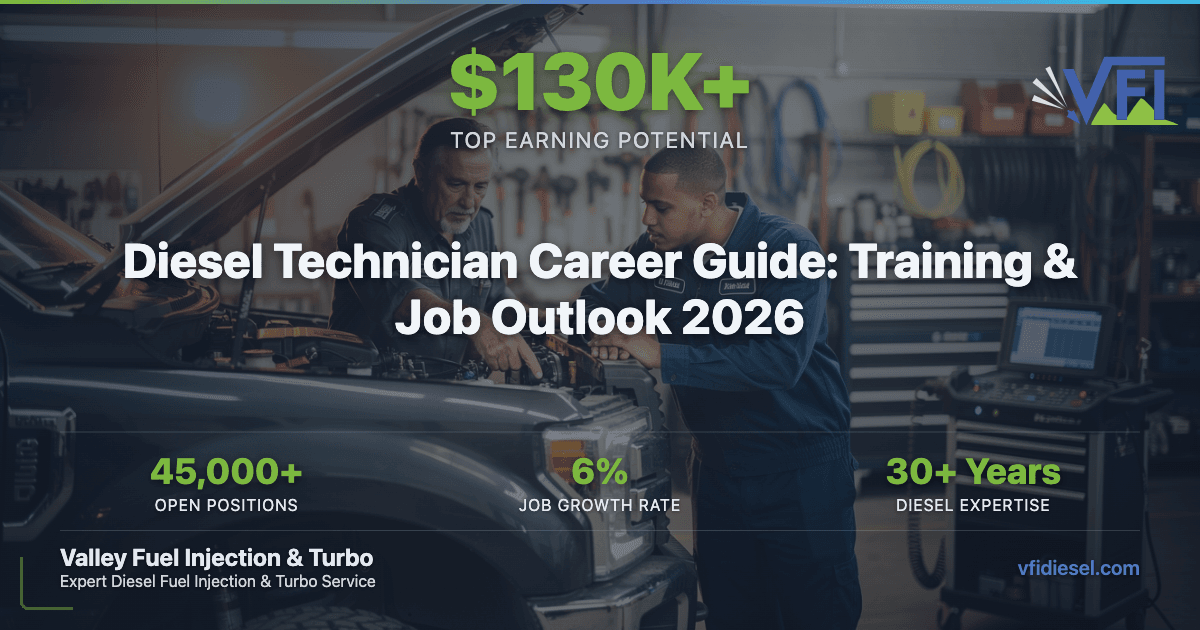
The diesel technician career field is experiencing unprecedented growth in 2026, with specialized fuel injection technicians commanding some of the highest wages in the automotive repair industry. As diesel engines become more complex and emissions regulations tighten, the demand for skilled diesel technicians continues to outpace the supply of qualified professionals.
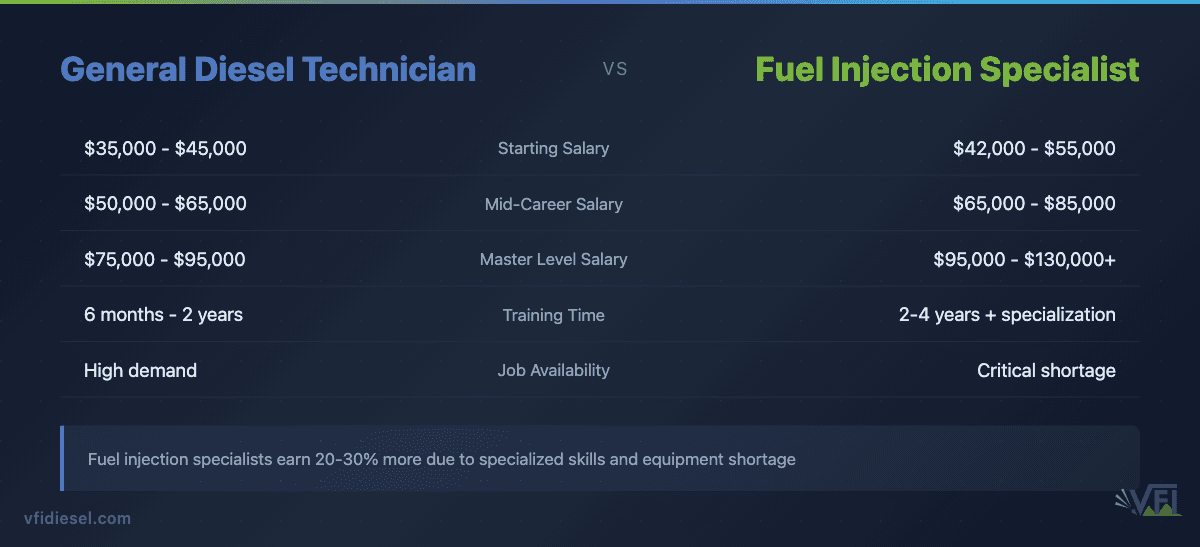
Diesel technicians with fuel injection specialization earn 20-30% more than general automotive techs, with strong job security and advancement opportunities in a field facing a critical skills shortage.
What Does a Diesel Technician Do in Today’s Market?
Diesel technicians diagnose, repair, and maintain diesel engines across multiple industries. Unlike general automotive mechanics, diesel technicians work on everything from pickup trucks and commercial vehicles to agricultural equipment, construction machinery, and marine engines.
The role has evolved significantly with modern technology. Today’s diesel technicians use sophisticated diagnostic equipment to troubleshoot common rail fuel injection systems, analyze emissions data, and perform precision repairs on components like turbochargers and diesel particulate filters.
The average diesel technician touches over $2 million worth of equipment annually, from $80,000 pickup trucks to $500,000 construction machines. This responsibility level directly correlates with higher wages compared to standard automotive work.
Specialized diesel technicians focus on specific systems like fuel injection, where they perform intricate work on components worth thousands of dollars. At our Woodland facility, we’ve seen technicians who specialize in Bosch fuel injection systems become some of the most sought-after professionals in Northern California.
Daily responsibilities include:
– Performing computerized diagnostics on diesel engines
– Rebuilding fuel injection pumps and testing injectors
– Servicing turbocharger systems and exhaust aftertreatment
– Calibrating electronic control modules
– Conducting preventive maintenance on fleet vehicles
– Documenting repairs and maintaining service records
What Training and Certifications Do Diesel Techs Need?
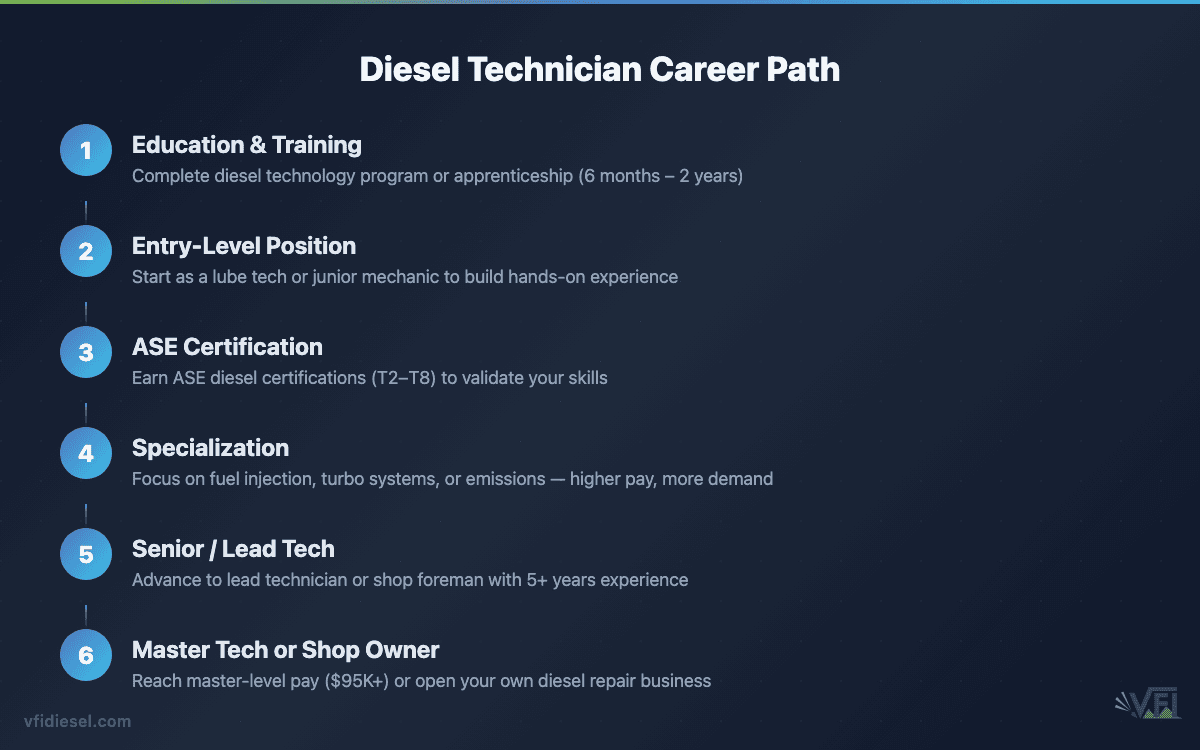
Successful diesel technicians typically combine formal education with hands-on experience and industry certifications. The path isn’t as straightforward as traditional automotive training because diesel technology varies significantly between applications.
Most employers prefer candidates with post-secondary training from accredited diesel technology programs. These 6-month to 2-year programs cover diesel engine fundamentals, hydraulics, electrical systems, and computerized diagnostics. Schools like Universal Technical Institute and community colleges offer comprehensive diesel programs.
Factory training programs from manufacturers like Bosch, Cummins, and Caterpillar often provide the highest-value certifications. These programs focus on specific technologies and can lead directly to specialized positions with 25-40% higher starting wages.
Key certifications include:
**ASE Certifications (National Institute for Automotive Service Excellence)**
– T2: Diesel Engines
– T3: Drive Train
– T4: Brakes
– T5: Suspension and Steering
– T6: Electrical/Electronic Systems
– T8: Preventive Maintenance Inspection
**Manufacturer-Specific Training**
– Bosch fuel injection certification
– Cummins engine training
– Caterpillar equipment certification
– Kubota engine specialization
– Yanmar marine engine certification
**EPA Certifications**
– Section 609 certification for refrigerant handling
– Diesel emissions testing certification
The most lucrative specialization involves fuel injection systems. Common rail injection testing requires specialized equipment and training that few technicians possess, making these skills extremely valuable.
How Much Do Diesel Technicians Make in 2026?
Diesel technician salaries vary significantly based on specialization, location, and experience level. According to the Bureau of Labor Statistics, diesel service technicians earn a median wage of $59,780 annually, but specialized technicians often exceed this significantly.
| Experience Level | General Diesel Tech | Fuel Injection Specialist |
|---|---|---|
| Entry Level (0-2 years) | $35,000 – $45,000 | $42,000 – $55,000 |
| Mid-Level (3-7 years) | $50,000 – $65,000 | $65,000 – $85,000 |
| Senior Level (8+ years) | $65,000 – $80,000 | $80,000 – $110,000 |
| Master Technician | $75,000 – $95,000 | $95,000 – $130,000+ |
Geographic location significantly impacts earnings. Diesel technicians in Sacramento and the San Francisco Bay Area typically earn 15-25% above national averages due to higher cost of living and strong demand. Similarly, technicians in Reno’s mining and transportation sectors command premium wages.
Master diesel fuel injection technicians with Bosch certification and VP44 pump expertise can earn $40-60 per hour at independent shops, with some earning over $150,000 annually when combining hourly wages with performance bonuses.
Beyond base wages, many diesel technicians earn additional income through:
– Overtime pay (often 1.5x regular rate)
– Performance bonuses
– Tool allowances
– Continuing education reimbursement
– Health and retirement benefits
Why Are Diesel Technician Jobs in Such High Demand?
The diesel technician career field faces a perfect storm of high demand and limited supply. Multiple factors contribute to this shortage, creating exceptional opportunities for qualified professionals.
**Aging Workforce**
The average diesel technician is approaching retirement age, with insufficient younger workers entering the field. The American Trucking Association estimates that 40% of current diesel technicians will retire within the next decade.
**Increasing Complexity**
Modern diesel engines incorporate sophisticated emissions systems, electronic controls, and precision fuel injection technology. VP44 and common rail systems require specialized diagnostic equipment and training that many shops lack.
**Fleet Expansion**
E-commerce growth has driven massive expansion in commercial vehicle fleets. Amazon, FedEx, UPS, and countless smaller delivery companies require constant maintenance on their diesel vehicles.
**Infrastructure Investment**
The 2021 Infrastructure Investment and Jobs Act allocated billions for highway construction and maintenance, driving demand for diesel-powered construction equipment and the technicians who maintain it.
The technician shortage is so severe that many shops are turning away work or experiencing 2-3 week backlogs. This creates pressure on existing technicians but also drives up wages and creates advancement opportunities.
**Regulatory Compliance**
Stricter emissions regulations require specialized knowledge to maintain compliance. Shops need technicians who understand diesel exhaust fluid systems, diesel particulate filters, and selective catalytic reduction technology.
Here at Valley Fuel Injection, we’ve experienced this shortage firsthand. Finding qualified technicians with fuel injection expertise has become increasingly challenging, which is why we invest heavily in training and competitive compensation packages.
What Career Paths Exist for Diesel Injection Specialists?
Fuel injection specialization opens unique career paths that general diesel technicians rarely access. This specialization requires advanced training but offers the highest earning potential in the diesel service industry.
**Independent Fuel Injection Specialist**
Many experienced technicians open specialized fuel injection shops serving multiple dealerships and independent repair facilities. These businesses focus exclusively on pump rebuilding, injector testing, and system calibration.
**OEM Technical Support**
Manufacturers like Bosch, Delphi, and Continental hire experienced fuel injection technicians as field service representatives and technical trainers. These positions often include company vehicles, travel opportunities, and salaries exceeding $100,000.
**Fleet Maintenance Manager**
Large trucking companies, construction firms, and agricultural operations hire fuel injection specialists to manage their in-house maintenance programs. These management roles combine technical expertise with supervisory responsibilities.
**Equipment Sales and Support**
Fuel injection test equipment manufacturers need technical sales representatives who understand the technology. These positions combine technical knowledge with sales skills for lucrative career opportunities.
If you’re considering starting your own business, remember that fuel injection work requires significant equipment investment. Professional test benches for common rail injector testing can cost $50,000-$150,000, but the specialized nature of this work allows for premium pricing.
Consider partnering with established shops initially. Many successful fuel injection specialists started by providing specialized services to general repair shops before opening their own facilities. This approach reduces startup costs and builds a customer base.
**Training and Education Roles**
Experienced fuel injection technicians often transition into training roles at technical schools or manufacturer training centers. These positions offer regular schedules, good benefits, and the satisfaction of developing the next generation of technicians.
How to Break Into the Diesel Service Industry
Starting a diesel technician career requires strategic planning, but multiple entry paths exist for motivated individuals. The key is combining education with hands-on experience while building industry connections.
**Educational Foundation**
Start with a solid educational foundation at an accredited diesel technology program. Look for schools with modern equipment and strong industry partnerships. Many programs offer job placement assistance and internship opportunities.
Community colleges often provide the best value, offering comprehensive programs at lower costs than private technical schools. Some programs partner directly with local employers for guaranteed job placement.
**Entry-Level Positions**
Don’t expect to start as a master technician. Entry-level positions include:
– Diesel service apprentice
– Lube technician specializing in diesel equipment
– Parts department associate at diesel dealerships
– Maintenance assistant for fleet operations
These positions provide exposure to diesel technology while building fundamental skills. Many successful technicians started in parts departments, learning component identification and system relationships.
**Building Specialized Skills**
Once employed, focus on developing specialized skills that increase your value. Fuel injection cleaning and testing represents one of the fastest paths to higher wages.
Seek out training opportunities, even if you must pay for them initially. Manufacturer training programs often provide the most direct path to specialized certifications.
Many successful diesel technicians started in adjacent fields like automotive repair, heavy equipment operation, or even military vehicle maintenance. The mechanical aptitude and problem-solving skills transfer well to diesel technology.
**Networking and Professional Development**
Join professional organizations like the Diesel Technology Forum or local chapters of the Equipment & Engine Training Council. These organizations provide continuing education opportunities and networking events.
Attend trade shows and equipment demonstrations. Manufacturers often provide technical training at these events, and you’ll meet potential employers and mentors.
**Geographic Considerations**
Consider relocating to areas with strong diesel industries. Central Valley locations like Stockton offer numerous opportunities in agriculture and transportation, while areas like Chico serve agricultural and forestry equipment markets.
Remember that rural areas often have fewer qualified technicians, creating opportunities for those willing to serve smaller communities.
If you’re serious about pursuing a diesel technician career, particularly in fuel injection specialization, contact our team at 530-668-0818. We regularly mentor new technicians and can provide insights into the current job market and training opportunities.
Frequently Asked Questions
How long does it take to become a certified diesel technician?
Most diesel technician programs take 6 months to 2 years to complete. However, achieving master-level expertise, particularly in specialized areas like fuel injection, typically requires 5-8 years of combined education and hands-on experience. Factory certifications can be obtained in 1-2 weeks of intensive training.
Do diesel technicians need their own tools?
Yes, most diesel technicians are expected to provide their own hand tools, similar to automotive technicians. Initial tool investment typically ranges from $5,000-$15,000. However, employers usually provide specialized diagnostic equipment, lifts, and major power tools. Many shops offer tool allowances or financing programs to help technicians build their tool collections.
Is the diesel technician field recession-proof?
Diesel technician work is more recession-resistant than many careers because diesel equipment is essential for transportation, construction, and agriculture. Even during economic downturns, trucks need maintenance, construction equipment requires repairs, and agricultural machinery must keep running. However, new equipment sales may decline, affecting dealership technicians more than independent shop technicians.
What physical demands do diesel technicians face?
Diesel technician work is physically demanding, involving lifting heavy components, working in cramped spaces, and standing for extended periods. However, modern shops use lifting equipment and ergonomic tools to reduce physical strain. Fuel injection specialists often work on smaller components at bench level, making this specialization less physically demanding than general diesel repair.
Can women succeed as diesel technicians?
Absolutely. While the field has traditionally been male-dominated, women are increasingly entering diesel technology careers. Modern equipment reduces physical demands, and employers actively recruit qualified technicians regardless of gender. Women often excel in detail-oriented work like fuel injection testing and electronic diagnostics. Many technical schools report growing female enrollment in diesel programs.
The diesel technician career offers exceptional opportunities for motivated individuals willing to invest in specialized training. With the industry facing a critical shortage of qualified professionals, now is an ideal time to enter this field. Whether you’re considering a career change or just starting your professional journey, diesel technology provides a stable, well-compensated career path with excellent advancement potential.
For those interested in the highest levels of specialization, fuel injection technology represents the pinnacle of diesel service expertise. Understanding modern injection systems opens doors to the most lucrative positions in the industry.
Ready to explore diesel technician career opportunities? Call us at 530-668-0818 to discuss training paths and current job market conditions. Our team has over 30 years of experience in diesel fuel injection and can provide valuable insights for anyone considering this rewarding career path.