Authorized Diesel Parts Sourcing: Bosch vs Compatible Parts
03/08/2026
Tax-Exempt Diesel Parts Purchasing Guide for Repair Shops
03/10/2026
Your customer’s truck is down with a failed VP44 injection pump, and they need it back on the road fast. You’ve got three options: order a new pump and pay premium prices, rebuild their pump and tie up a bay, or use a diesel injection pump exchange program to get them rolling again quickly while protecting your shop’s cash flow.
Exchange programs for diesel injection pumps get customers back on the road faster, all while maintaining warranty protection.
What Exactly Is a Diesel Injection Pump Exchange Program?
A diesel injection pump exchange program lets you swap a customer’s failed pump for a professionally remanufactured unit immediately. You send the failed pump as a “core” and receive credit toward the exchange unit. The remanufactured pump comes with full warranty coverage and has been tested to OEM specifications.
Unlike ordering new or waiting for rebuilds, exchange programs keep remanufactured inventory ready for immediate shipment. This means your customer gets their equipment back faster, and you turn the bay quicker.
Exchange programs work best for high-failure items like VP44 pumps, CP3/CP4 common rail pumps, and inline injection pumps where you see repeat failures across your customer base.
How Does Exchange Compare to Your Other Options?
Let’s break down the real costs for a typical VP44 pump failure:
The exchange route hits the sweet spot: faster than rebuilding, more affordable than new, and your bay turns quickly. Your customer pays less downtime costs, which keeps them happy and coming back.
What Types of Pumps Work Best for Exchange Programs?
Not every injection pump makes sense for exchange inventory. Focus on these high-volume, high-failure units:
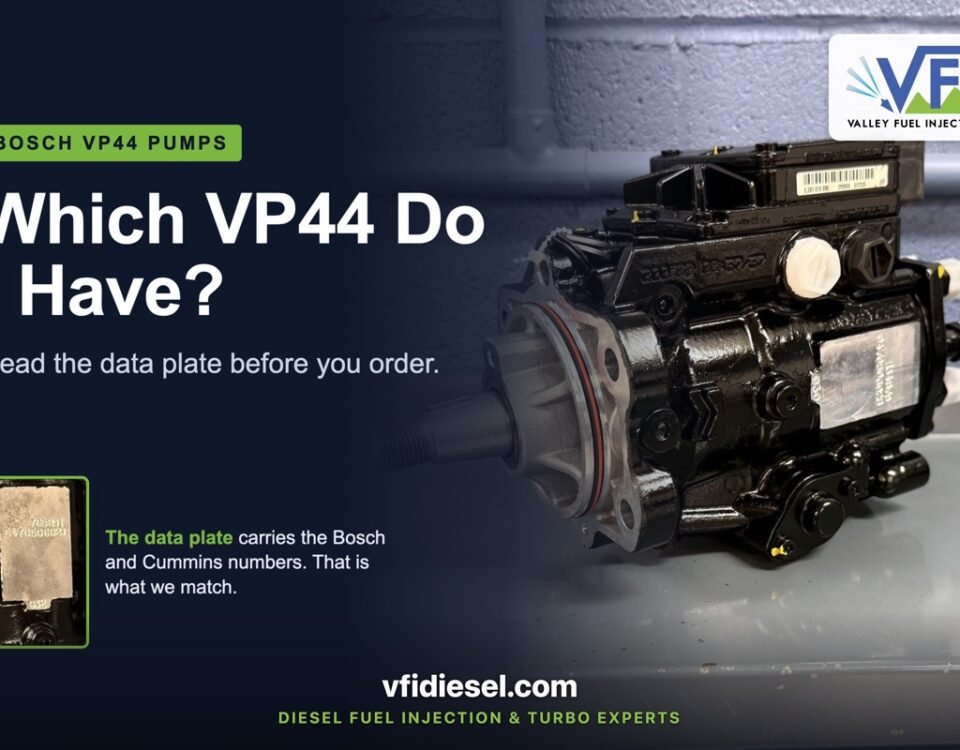
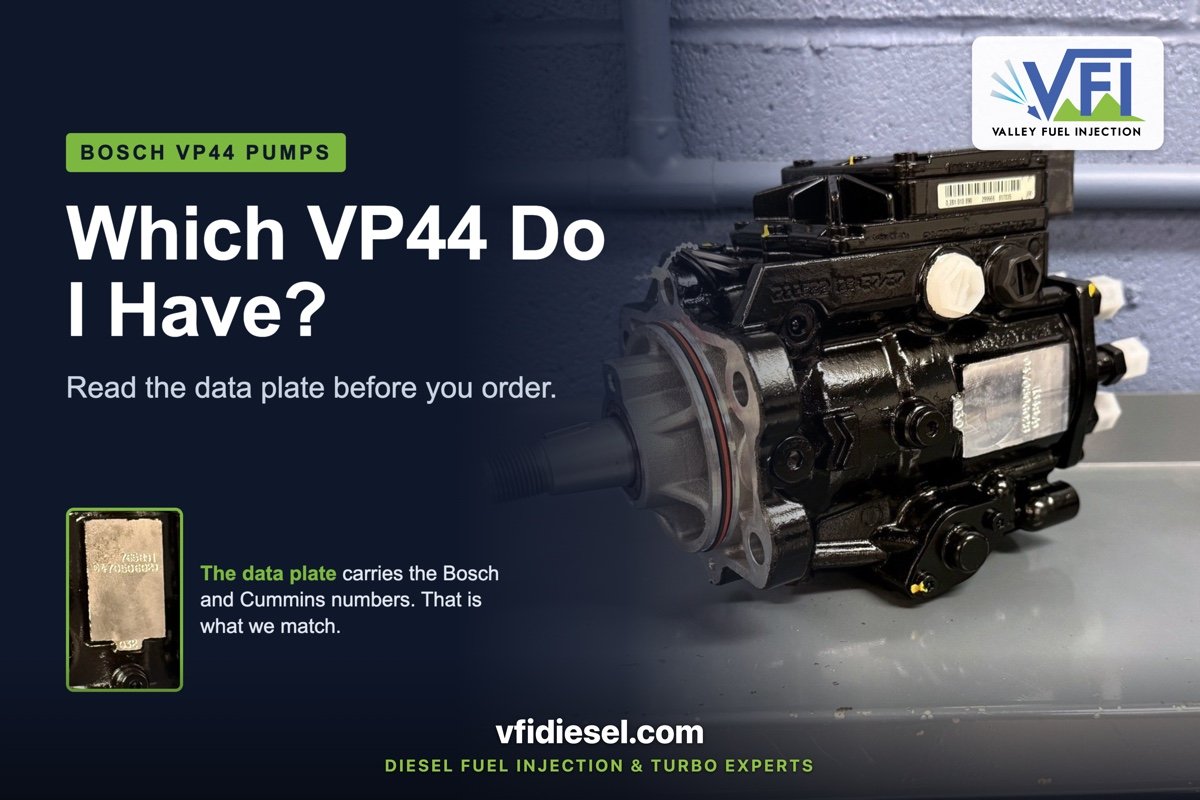
VP44 Pumps: These Bosch rotary pumps fail often, most commonly from low supply pressure and heat in the pump’s electronics. With our exchange program, you can stock common VP44 variants for Dodge Cummins applications and turn these jobs quickly.
CP3 Common Rail Pumps: Found across multiple manufacturers, CP3 pumps see wear from contaminated fuel and high mileage. Exchange units are remanufactured with new seals and wear parts and tested to spec before they ship.
CP4 Common Rail Pumps: These high-pressure pumps are notorious for catastrophic failures that contaminate the entire fuel system. The new pump goes in together with the contamination repair (lines, rails and injectors as the maker’s procedure calls for), never into a system that still holds metal. Exchange stock keeps the pump from being the part you wait on.
Inline Injection Pumps: P7100 and similar mechanical pumps benefit from exchange programs, especially for fleet customers running older equipment where rebuild parts availability varies.
Always verify core acceptability before quoting exchange pricing. Cores with cracked housings, missing components, or fire damage may not qualify for standard core credit.
How Exchange Programs Improve Your Cash Flow
Exchange programs reduce the capital you need to keep in inventory while improving your service capabilities. Instead of buying and storing new pumps that might sit for months, you pay for exchange units as customers need them.
Here’s how the cash flow works:
- Confirm the pump number on the customer’s failed pump.
- Check stock and the core terms with your exchange provider.
- Order the remanufactured pump. You pay a core charge up front.
- Install the pump, bill the customer, and ship the failed pump back within the core period.
- Get the core charge back as credit once the core is accepted.
This keeps your working capital focused on faster-moving inventory.
What Should You Look for in an Exchange Program Provider?
Not all exchange programs deliver the same value. Here’s what separates professional programs from parts-swapping operations:
Remanufacturing Standards: Look for providers who follow OEM specifications and use genuine components. Our common rail system repair process includes complete disassembly, cleaning, inspection, and testing to ensure each exchange unit meets original performance standards.
Warranty Coverage: Professional exchange programs include comprehensive warranties that protect both you and your customer. Check that the warranty covers parts and labor, and read the exclusions.
Core Flexibility: Good programs accept cores in various conditions and provide clear core credit schedules. You shouldn’t lose money because a core has minor external damage if the internal components are salvageable.
Technical Support: Choose providers who can help diagnose failure causes and recommend system improvements to prevent repeat failures.
How to Set Up Exchange Programs for Maximum Benefit
Start by analyzing your injection pump repair history over the past 12 months. Which pumps do you see most frequently? Which applications tie up your bays longest? These are your best candidates for exchange inventory.
Establish accounts with exchange providers before you need them. Having trade accounts set up means you can access exchange inventory immediately when failures occur, rather than waiting for credit approval during a customer emergency.
Train your service writers to quote exchange options alongside rebuild estimates. Many customers will pay the modest premium for faster turnaround, especially on commercial equipment where downtime costs exceed the price difference.
Fleet customers often prefer exchange programs because they can budget predictable repair costs rather than dealing with variable rebuild pricing and uncertain timelines.
Making Exchange Programs Work with Your Service Process
Integrate exchange options into your diagnostic process. When you identify a failed injection pump, immediately check exchange availability while explaining options to the customer. This prevents delays and helps customers make informed decisions quickly.
Document core condition thoroughly before installation. Take photos of obvious damage and note any missing components. This protects you if core credit disputes arise and helps the remanufacturer improve their processes.
For complex failures involving fuel system contamination, exchange programs become even more valuable. Exchange stock means the pump is ready when the contamination repair is done, rather than the equipment sitting idle waiting for parts.
How Exchange Programs Serve Farm and Fleet Customers
Shops in agricultural areas benefit during planting and harvest seasons, when equipment downtime costs spike. Fleet managers need predictable repair times and costs, which exchange programs provide better than traditional rebuild-and-wait approaches. For shops serving Sacramento area customers, exchange programs help manage the seasonal demand common in California’s agricultural and transportation sectors.
For fleet customers, exchange programs enable you to offer service level agreements with guaranteed turnaround times. When customers know you can get their equipment back in service quickly, they’re more likely to bring additional work and refer others.
Quality Control in Exchange Programs
Professional exchange programs include rigorous testing that matches or exceeds OEM standards. This typically involves flow testing, pressure testing, and electronic calibration verification. Each exchange unit should include test documentation showing it meets specifications.
The remanufacturing process should address known failure points with updated components where available.
Choose providers who can trace each exchange unit’s remanufacturing history and provide technical support if issues arise. This level of documentation protects you and your customers.
Environmental Benefits of Exchange Programs
Exchange programs support sustainable business practices by extending component lifecycles and reducing manufacturing waste. Instead of scrapping failed pumps, exchange programs recover valuable materials and reduce the environmental impact of new manufacturing.
This sustainability angle can be valuable when working with environmentally conscious customers or when pursuing fleet contracts that include sustainability requirements.
Frequently Asked Questions
How long do I have to return the core pump in an exchange program?
Core return deadlines vary by provider, so check the terms before you order. The return window gives you time to complete the installation, test the repair, and ensure customer satisfaction before shipping the failed unit back. Late core returns typically result in additional charges equal to the core credit amount.
What happens if the customer’s core pump isn’t acceptable for core credit?
Professional exchange providers evaluate cores based on rebuildability, not cosmetic condition. However, cores with cracked housings, missing major components, or fire damage may not qualify. Most providers will notify you of core rejection issues and offer options for partial credit or alternative arrangements.
Can I use exchange programs for specialty or low-volume injection pumps?
Exchange inventory focuses on high-volume, common applications. For specialty pumps, you’ll typically need to use traditional rebuild services.
What warranty comes with an exchange pump?
Our rebuilt exchange pumps carry a 12-month, unlimited-mileage warranty, parts and labor (30 days on electrical and electronic parts). Alliant Power units carry Alliant’s own warranty. Other providers’ exchange warranties may have mileage limitations and specific exclusions for fuel system contamination or improper installation.
What documentation should I provide with core returns?
Include the original exchange invoice, core return authorization if required, and any failure analysis notes that might help the remanufacturer improve their processes. Photos of unusual damage can also be helpful for warranty considerations and technical support.
Diesel injection pump exchange programs offer shop owners a proven way to reduce bay time, improve cash flow, and deliver faster customer service. When you’re ready to explore exchange options for your shop, consult with a qualified diesel technician who can help you identify the best programs for your customer base and service volume.
Ready to streamline your injection pump repairs? Contact Valley Fuel Injection & Turbo at 530-668-0818 to discuss our exchange program options. We offer trade accounts with competitive pricing and can ship exchange units nationwide to qualified shops. Our Woodland, CA facility stocks exchange inventory for VP44, CP3, CP4, and inline injection pumps to keep your customers moving.